
How to Make a Fake Betting Account? Risks, Rules & Safe Alternatives
Sep
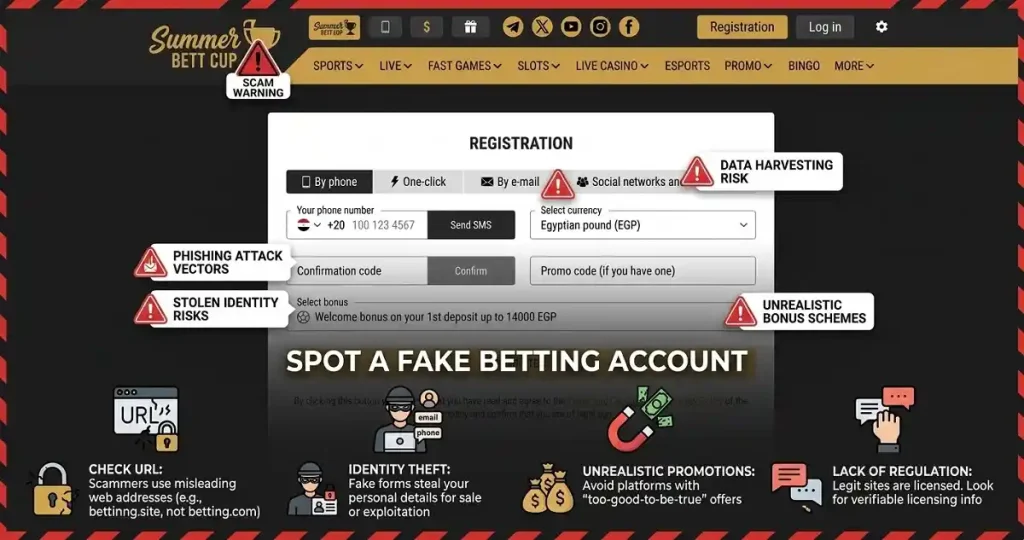
People searching for how to make a fake betting account may be looking for ways to avoid identity verification, create multiple accounts, use another person’s details, access a service from a restricted location, or obtain promotions more than once. Although these searches are common, creating a betting account with false or misleading information can lead to serious account, identity, security, financial, and legal problems.
This guide does not provide instructions for creating fake accounts or bypassing verification. Instead, it explains what a fake betting account is, why betting platforms use KYC checks, what can happen when false information is detected, and what legitimate alternatives are available if you are unable to open or verify an account normally.
Understanding these risks is particularly important because depositing money successfully does not guarantee that an account will remain usable. Identity and payment checks can take place later, including when a withdrawal is requested.
What Is a Fake Betting Account?
A fake betting account generally refers to an online betting profile created using information that does not accurately identify the genuine account holder.
This may include accounts involving:
- A false name or date of birth.
- Another person’s identity.
- Incorrect address information.
- A payment method belonging to someone else.
- Multiple accounts created to avoid platform limits.
- Accounts bought or transferred from another person.
- Information intended to misrepresent a user’s country or eligibility.
Not every incorrect detail is necessarily deliberate fraud. Someone might make a typing mistake while registering, for example. The major risk arises when false information is intentionally used to misrepresent who owns or controls an account.
Why Do People Search for How to Make a Fake Betting Account?
There are several reasons someone might consider creating a fake betting profile. Some people may want another promotional offer after already using a welcome bonus. Others may have had a previous account restricted or closed and want to register again.
Other common motivations can include:
- Avoiding age verification.
- Avoiding identity verification.
- Creating multiple betting accounts.
- Using a betting site that does not accept customers from a particular location.
- Using another person’s payment method.
- Avoiding responsible-gambling restrictions or self-exclusion.
- Replacing an account that has been suspended.
- Obtaining the same promotion more than once.
These situations may explain the search intent behind the phrase, but they do not remove the potential consequences of providing inaccurate account information.
Can You Make a Fake Betting Account?
It may technically be possible to enter incorrect information into an online registration form, but that does not mean the account will remain usable or that doing so is permitted.
Many betting operators require users to provide accurate personal information under their terms and conditions. Verification may happen when an account is opened, after certain activities occur, or before particular transactions are processed.
This means an account can initially appear to work and still face problems later.
For example, a user might be able to register and deposit but later be asked to verify identity before withdrawing. If the information submitted during registration cannot be matched to genuine documents or payment information, the account may be restricted while the issue is reviewed.
Why Betting Sites Use KYC Verification
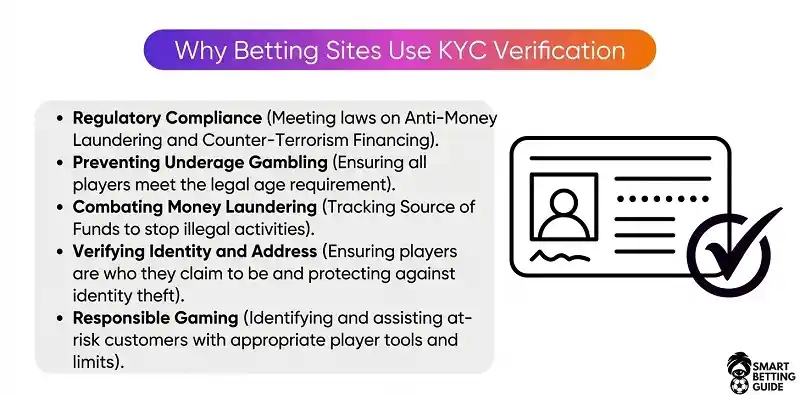
KYC means Know Your Customer. It refers to procedures businesses may use to establish who is using an account.
Depending on the operator, jurisdiction, and circumstances, account verification can involve confirming:
- Identity.
- Age.
- Residential information.
- Payment-method ownership.
- Account ownership.
- Source-of-funds information in certain circumstances.
These checks can serve several purposes, including preventing underage activity, reducing identity fraud, enforcing account limits, protecting payment transactions, and meeting regulatory requirements where applicable.
This is why a fake betting account may become difficult to maintain once verification is requested.
What Happens If a Betting Account Cannot Be Verified?
The exact outcome depends on the operator’s rules and the circumstances. However, an account that cannot be properly verified may face restrictions.
Possible consequences can include:
- Temporary account restrictions.
- Requests for additional documents.
- Delays while account information is reviewed.
- Withdrawal restrictions.
- Cancellation of promotional benefits.
- Account suspension or closure.
- Disputes about ownership of deposited funds.
Users should therefore read the platform’s account, identity, payment, and withdrawal terms before depositing money.
Fake Betting Accounts and Withdrawal Problems
Withdrawals are one of the main reasons fake account information can become problematic.
A betting operator may need to establish that the person requesting a withdrawal is the legitimate account holder and that the payment information associated with the account is appropriate.
If the registered identity belongs to one person while the payment method belongs to another, additional verification may be required. Similar problems can occur if an account was purchased from somebody else.
For this reason, the ability to deposit money should never be interpreted as proof that a future withdrawal will automatically be successful.
Before depositing, users should understand the operator’s rules covering identity verification, payment ownership, withdrawal methods, and account ownership.
Can You Use Someone Else’s Betting Account?
Using another person’s betting account introduces several risks.
The registered account owner may be the person expected to complete identity verification. If another individual controls the account, questions can arise about who owns the account, who supplied the money, and who is entitled to request a withdrawal.
There are also privacy and security concerns. Giving another person access to an account can expose personal details, financial information, transaction history, and account credentials.
A safer approach is to use only an account legitimately registered in your own name when the operator and applicable rules permit you to do so.
Risks of Buying a Verified Betting Account
Searches for fake betting accounts often overlap with advertisements offering “verified betting accounts.” Such offers deserve particular caution.
When an account has been verified using somebody else’s identity, the buyer may not have control over the identity information attached to it.
Potential problems include:
- The original owner recovering access.
- Identity-verification failure later.
- Payment ownership conflicts.
- Account suspension.
- Exposure to scams.
- Loss of deposited money.
- Personal information being shared between strangers.
Someone selling an account may also retain information needed to recover it later. This makes account purchasing particularly risky from a cybersecurity perspective.
Multiple Betting Accounts and Bonus Abuse
Another reason people search for how to make a fake betting account is to create multiple profiles.
Users should check each operator’s terms because platforms can impose restrictions on multiple accounts, promotional eligibility, household participation, or duplicate registrations.
Creating another identity purely to obtain a welcome offer again can lead to promotional benefits being removed or accounts being reviewed.
If you believe you genuinely need another account—for example, because you cannot access an old profile—the appropriate solution is to contact the platform’s official support channel rather than registering under false information.
Fake Age and Underage Betting Accounts
False age information creates additional concerns because gambling services commonly impose minimum-age requirements.
An underage person should not use another person’s identity, payment information, or account to bypass an age restriction.
Parents and guardians should also protect account credentials and payment information where minors could access them without permission.
Location and Country Restrictions
International betting websites do not necessarily offer the same service in every country. An operator may serve customers in one jurisdiction while restricting registrations in another.
Providing a false residential address or pretending to live somewhere else can create conflicts between the information on the account and later verification documents.
Users should check the operator’s latest geographic restrictions instead of assuming that website accessibility means registration is permitted.
For Bangladesh-specific context, read our guide to
online gambling laws and risks in Bangladesh.
Fake Betting Accounts and Bangladesh
Users in Bangladesh should consider both platform rules and applicable local law before participating in online betting.
An offshore betting website being accessible from Bangladesh does not automatically establish that its services are legally authorized locally. Likewise, an overseas licence does not automatically replace Bangladeshi legal requirements.
This distinction matters when users encounter advertisements suggesting that an international betting account can simply be created through a local agent or transferred from another individual.
Account accessibility, operator licensing, payment availability, and local legality are separate questions and should be investigated separately.
How Betting Platforms May Identify Account Problems
Betting operators can use account and verification processes to identify information that requires additional review. Users should not assume that creating a second email address alone makes an account independent from previous activity.
Depending on the operator and applicable rules, reviews may involve information connected with identity, payments, account history, verification documents, or other security signals.
The important point is not how these systems work internally, but that submitting inaccurate information can create inconsistencies that later require explanation.
Trying to defeat such checks can increase the risk of losing access to the account rather than solving the original problem.
What Should You Do Instead of Creating a Fake Betting Account?
The safest solution depends on why you are considering another account.
If You Forgot Your Login Details
Use the operator’s official account-recovery or password-reset process.
If Your Old Account Was Closed
Contact official customer support and ask whether the account can be restored or whether you are permitted to register again.
If Your Identity Verification Failed
Ask the operator which information or documents are required. Correct an accidental registration error through official support instead of opening an account using a different identity.
If You Cannot Use a Particular Payment Method
Check officially supported payment options. Avoid using another person’s financial account solely to avoid verification requirements.
If Your Country Is Restricted
Respect the geographic restriction rather than submitting false location information.
If You Have Self-Excluded
Do not create another account to defeat the restriction. Self-exclusion is intended to prevent further gambling access and should be respected.
How to Protect Yourself From Fake Betting Account Scams
The phrase “fake betting account” also relates to scams in which criminals sell accounts or pretend to operate account-verification services.
Be cautious when someone offers:
- A pre-verified betting account.
- A guaranteed withdrawal account.
- An account that supposedly needs no KYC.
- A method to bypass age or country restrictions.
- An account registered using somebody else’s documents.
- A service that requires your password or OTP.
Never provide passwords, one-time verification codes, banking credentials, or identity documents to an unknown seller or unofficial agent.
If a person claims to represent a betting company, verify the contact information independently through the company’s official resources.
Privacy Risks of Fake Account Services
Identity documents are valuable personal information. Giving copies of an ID card, passport, photograph, address document, or payment information to an unknown account seller creates risks that extend beyond betting.
The information could potentially be reused for other fraudulent activities or exposed in a data breach.
Users should therefore treat any service asking for identity documents through unofficial messaging channels with extreme caution.
Financial and Responsible-Gambling Risks
Creating additional accounts can also become part of harmful gambling behaviour, particularly if someone is trying to continue gambling after reaching account limits, losing significant amounts of money, or self-excluding.
The World Health Organization’s gambling fact sheet describes gambling-related harms that can include financial distress, relationship problems, mental-health difficulties, and diversion of household spending away from essential needs.
Warning signs can include:
- Trying repeatedly to recover previous losses.
- Spending money needed for essential expenses.
- Borrowing money to gamble.
- Hiding gambling activity from family members.
- Opening new accounts after restrictions.
- Feeling unable to stop or reduce gambling.
Creating another account does not solve these problems and may make them more difficult to manage.
Frequently Asked Questions
How do you make a fake betting account?
Creating an account using false identity, age, location, or ownership information can violate platform rules and create verification, security, financial, and legal problems. This guide does not provide instructions for bypassing those controls. The safer option is to register accurately or resolve account problems through official support.
Can a fake betting account withdraw money?
A deposit or initial account access does not guarantee that a withdrawal will be approved. Operators may request identity and payment verification before processing certain transactions.
Can I open two betting accounts?
Rules vary by operator. Some platforms restrict duplicate or multiple accounts, particularly when promotions or account limits are involved. Check the operator’s terms before opening another account.
Can I use another person’s ID for a betting account?
Using somebody else’s identity can create serious ownership, privacy, verification, contractual, and potentially legal problems. Users should use their own accurate information where registration is permitted.
Are verified betting accounts safe to buy?
Buying an account verified in somebody else’s identity creates substantial risks. The original owner may retain recovery information, and the buyer may later be unable to complete identity or payment verification.
What should I do if my betting account is blocked?
Contact the platform through its official customer-support channel and ask why the restriction was applied and what legitimate steps are available. Creating another account with false information may make the situation worse.
Final Answer: Should You Make a Fake Betting Account?
Searching for how to make a fake betting account may produce websites or individuals promising quick methods, verified profiles, multiple accounts, or ways around KYC requirements. These offers should be treated cautiously.
A fake account can create more problems than it solves. Identity mismatches can affect withdrawals, payment ownership, account recovery, security, promotional eligibility, and compliance with platform rules.
Buying an existing account introduces additional risks because the person who originally created it may still control the identity and recovery information.
The better approach is straightforward: use accurate information when account registration is legally and contractually permitted, keep control of your own login and payment details, follow official account-recovery procedures, and contact legitimate customer support when an account problem occurs.
If access has been restricted because of age, geographic eligibility, self-exclusion, or another protective rule, attempting to create a fake identity is not a safe solution.
Editorial Disclaimer: This article is provided for informational, consumer-safety, fraud-awareness, and responsible-use purposes only. It does not provide instructions for creating fraudulent accounts, impersonating another person, bypassing KYC controls, or avoiding geographic, age, or responsible-gambling restrictions. Platform terms and applicable laws can change, so readers should verify current information through appropriate official sources.
